Watch Replay: Basin Ventures Q3 Investor Webinar
Watch Now


Website Cookies
This website uses cookies to ensure you get the best experience on our site.
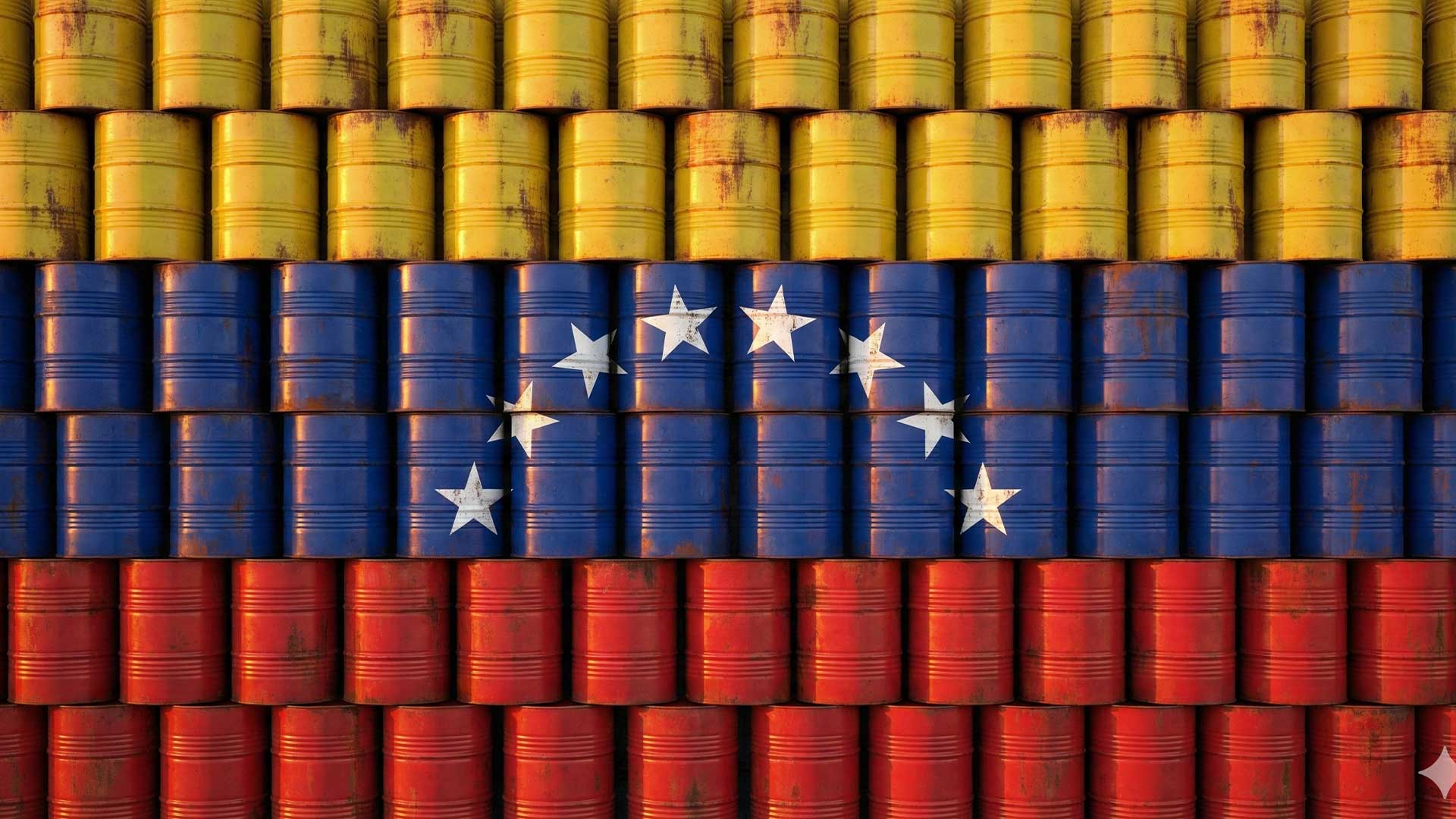


We have written frequently about the disconnect between global reserve estimates and deliverable supply. Venezuela is the ultimate case study in this dynamic.
Recent developments in Caracas suggest a potential reopening of the world’s largest proven oil reserves to global markets. For energy investors, this is a signal worth watching. However, headlines often move faster than infrastructure, and the physical reality on the ground tells a more complex story.
While the policy shift is significant, the operational path to restoring Venezuela’s energy sector is steep.
Reports from early January 2026 indicate that output has actually faced headwinds during this transition period. Storage capacity is tight, export terminals require modernization, and the supply of critical diluents—essential for moving Venezuela’s heavy crude—remains constrained.
In the energy business, capital efficiency and maintenance are everything. After years of underinvestment, the sector cannot simply pivot overnight. We view this not as an immediate flood of new supply, but as a long-term reconstruction project. The "Venezuela Premium" in global pricing is likely to persist as the market waits for proof of reliable deliverability.
The result? A constrained global supply picture that continues to support the economics of stable, producing assets elsewhere.
Global uncertainty drives market volatility, and volatility tends to reward the disciplined.
As the market digests the timeline for Venezuela’s recovery, U.S. domestic production remains the most reliable source of barrels for the global market. American crude—benefiting from established infrastructure, transparent legal jurisdictions, and efficient transport—becomes even more critical in this environment.
At Basin Ventures, our focus remains on Non-Operating Working Interests (NOWIs) in prime U.S. basins. The current landscape reinforces this strategy for two reasons:
We frequently receive questions from partners regarding the feasibility of investing in Venezuela given the shifting landscape.
Our philosophy is grounded in operational discipline. The revitalization of Venezuela’s energy sector will require significant technical expertise, capital, and logistical coordination—the kind of work typically led by the industry's most experienced operators.
While Basin is not soliciting capital for Venezuela-specific strategies today, we are actively monitoring the situation and have already reached out to our industry and government contacts to gather information on opportunities in Venezuela. Our network consists of technical operators and industry veterans who understand the complexities of bringing assets online in challenging environments.
We believe that if and when a viable pathway for investment emerges, it will be driven by those with a track record of execution. We intend to stay close to those developments, evaluating opportunities only when the legal, security, and commercial frameworks align with our standards for risk-adjusted returns.
The situation in Venezuela is a reminder that geology is only half the equation; execution is the other.
For now, we believe the prudent move is to capitalize on the strength of the domestic market, which benefits directly from global supply tightness. We will continue to capture the immediate cash flow and tax benefits of U.S. assets, while keeping a watchful eye on how the global energy map evolves.



We have written frequently about the disconnect between global reserve estimates and deliverable supply. Venezuela is the ultimate case study in this dynamic.
Recent developments in Caracas suggest a potential reopening of the world’s largest proven oil reserves to global markets. For energy investors, this is a signal worth watching. However, headlines often move faster than infrastructure, and the physical reality on the ground tells a more complex story.
While the policy shift is significant, the operational path to restoring Venezuela’s energy sector is steep.
Reports from early January 2026 indicate that output has actually faced headwinds during this transition period. Storage capacity is tight, export terminals require modernization, and the supply of critical diluents—essential for moving Venezuela’s heavy crude—remains constrained.
In the energy business, capital efficiency and maintenance are everything. After years of underinvestment, the sector cannot simply pivot overnight. We view this not as an immediate flood of new supply, but as a long-term reconstruction project. The "Venezuela Premium" in global pricing is likely to persist as the market waits for proof of reliable deliverability.
The result? A constrained global supply picture that continues to support the economics of stable, producing assets elsewhere.

Global uncertainty drives market volatility, and volatility tends to reward the disciplined.
As the market digests the timeline for Venezuela’s recovery, U.S. domestic production remains the most reliable source of barrels for the global market. American crude—benefiting from established infrastructure, transparent legal jurisdictions, and efficient transport—becomes even more critical in this environment.
At Basin Ventures, our focus remains on Non-Operating Working Interests (NOWIs) in prime U.S. basins. The current landscape reinforces this strategy for two reasons:

We frequently receive questions from partners regarding the feasibility of investing in Venezuela given the shifting landscape.
Our philosophy is grounded in operational discipline. The revitalization of Venezuela’s energy sector will require significant technical expertise, capital, and logistical coordination—the kind of work typically led by the industry's most experienced operators.
While Basin is not soliciting capital for Venezuela-specific strategies today, we are actively monitoring the situation and have already reached out to our industry and government contacts to gather information on opportunities in Venezuela. Our network consists of technical operators and industry veterans who understand the complexities of bringing assets online in challenging environments.
We believe that if and when a viable pathway for investment emerges, it will be driven by those with a track record of execution. We intend to stay close to those developments, evaluating opportunities only when the legal, security, and commercial frameworks align with our standards for risk-adjusted returns.
The situation in Venezuela is a reminder that geology is only half the equation; execution is the other.
For now, we believe the prudent move is to capitalize on the strength of the domestic market, which benefits directly from global supply tightness. We will continue to capture the immediate cash flow and tax benefits of U.S. assets, while keeping a watchful eye on how the global energy map evolves.

© Copyright 2026 Basin Ventures II, LLC. All right reserved.